
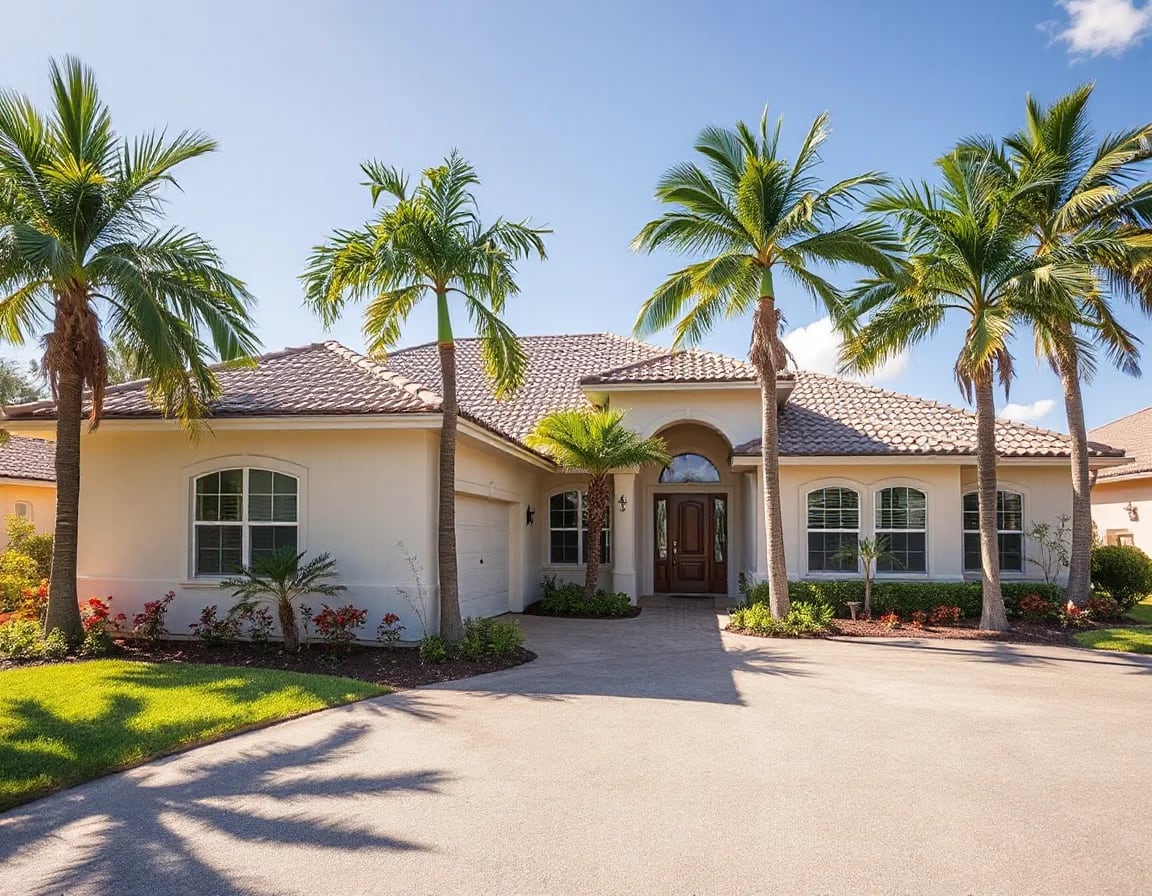
A South Florida home can be beautiful, well located, and still deserve a closer look before an offer is written. Hurricane readiness is not one feature—it is a practical combination of roof condition, opening protection, drainage, insurance details, and maintenance records. Knowing which questions to ask can help buyers compare properties with greater clarity and fewer surprises after closing.
Start With the Systems That Protect the Home
In South Florida, hurricane preparedness is part of everyday property ownership rather than an occasional checklist. A home’s resilience can affect comfort, repair planning, insurance options, and the total cost of ownership. Before focusing solely on finishes, views, or room count, take time to evaluate the components designed to manage wind, rain, and power interruptions.
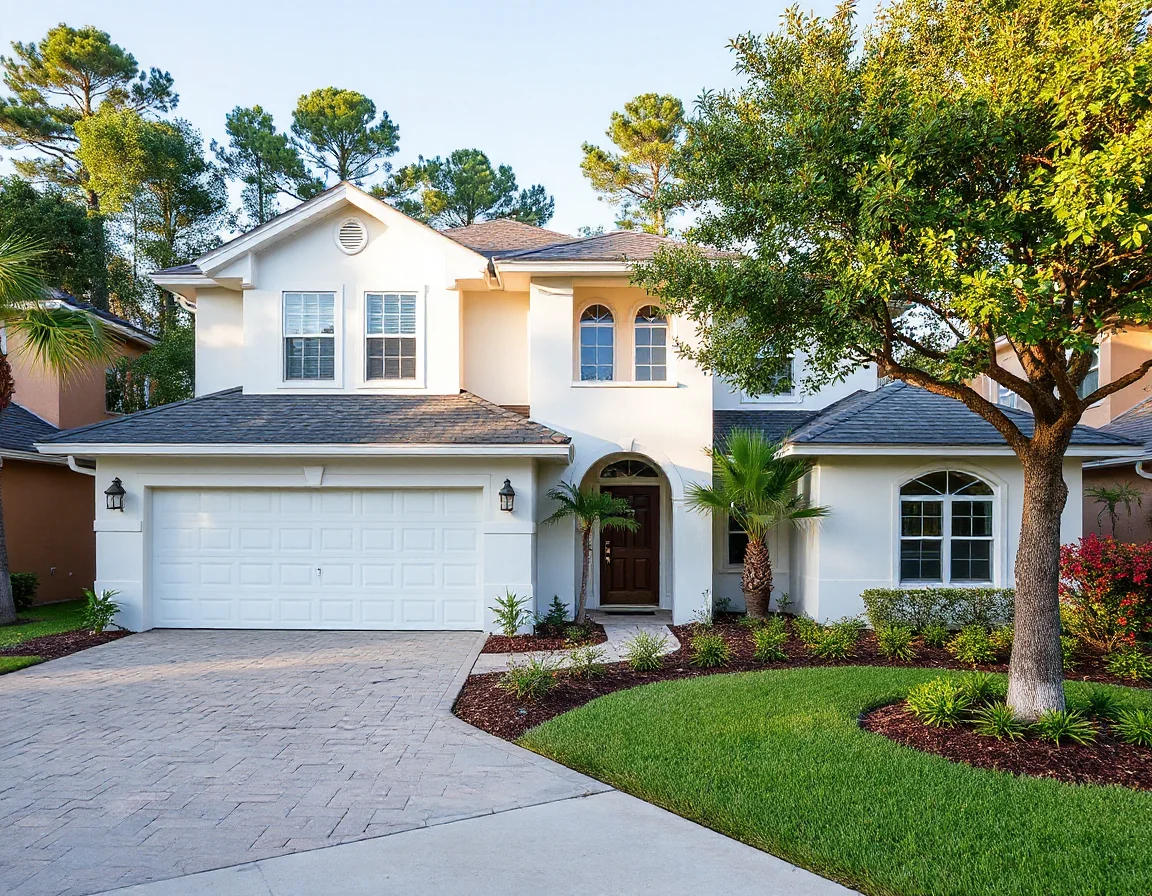
The roof is often the first place to begin. Ask for the roof’s age, material, permit history, warranties, and records of any repairs or replacement. A newer roof does not automatically answer every question, but documented work can help establish a clearer timeline. During inspections, qualified professionals can look for visible wear, flashing condition, drainage concerns, and signs that merit a specialist’s further review.
Next, consider windows, exterior doors, garage doors, and other openings. Impact-rated windows and doors, operable shutters, and properly maintained opening protections can be meaningful features. If a home has shutters, ask what type they are, whether they are included, where panels are stored, and whether installation instructions or hardware are available. A seller disclosure, permit documents, and a wind mitigation inspection may provide helpful details, though buyers should still rely on their own inspection and insurance professionals.
A wind mitigation report can be especially useful because it documents specific protective features that an insurance carrier may review when determining available credits or coverage terms.
Outdoor conditions matter as well. Look beyond curb appeal to assess gutters, grading, roof drains, fencing, trees, and loose exterior elements. Water should have a route away from the structure, and landscaping should not create obvious contact points with the roof or exterior walls. Mature trees can be an attractive property feature, but their maintenance history and proximity to the home are worth discussing with an arborist or inspector when appropriate.
Look Closely at Water, Elevation, and Insurance Information
Wind is only one part of the South Florida equation. Water management may be just as important, particularly for homes near the coast, canals, lakes, or lower-lying areas. Flood zones, elevation certificates, drainage patterns, and past water intrusion disclosures can all shape a buyer’s due diligence. Flood insurance requirements and availability vary by property, lender, and policy terms, so it is wise to begin those conversations early in the contract process.
Start by asking whether the seller has an elevation certificate, a prior flood insurance policy, or records related to drainage improvements. These documents do not replace professional advice, but they can give buyers and insurance representatives a more complete starting point. Review the property’s flood map designation, then ask an insurance professional how that information may affect coverage choices, premiums, deductibles, and lender requirements.
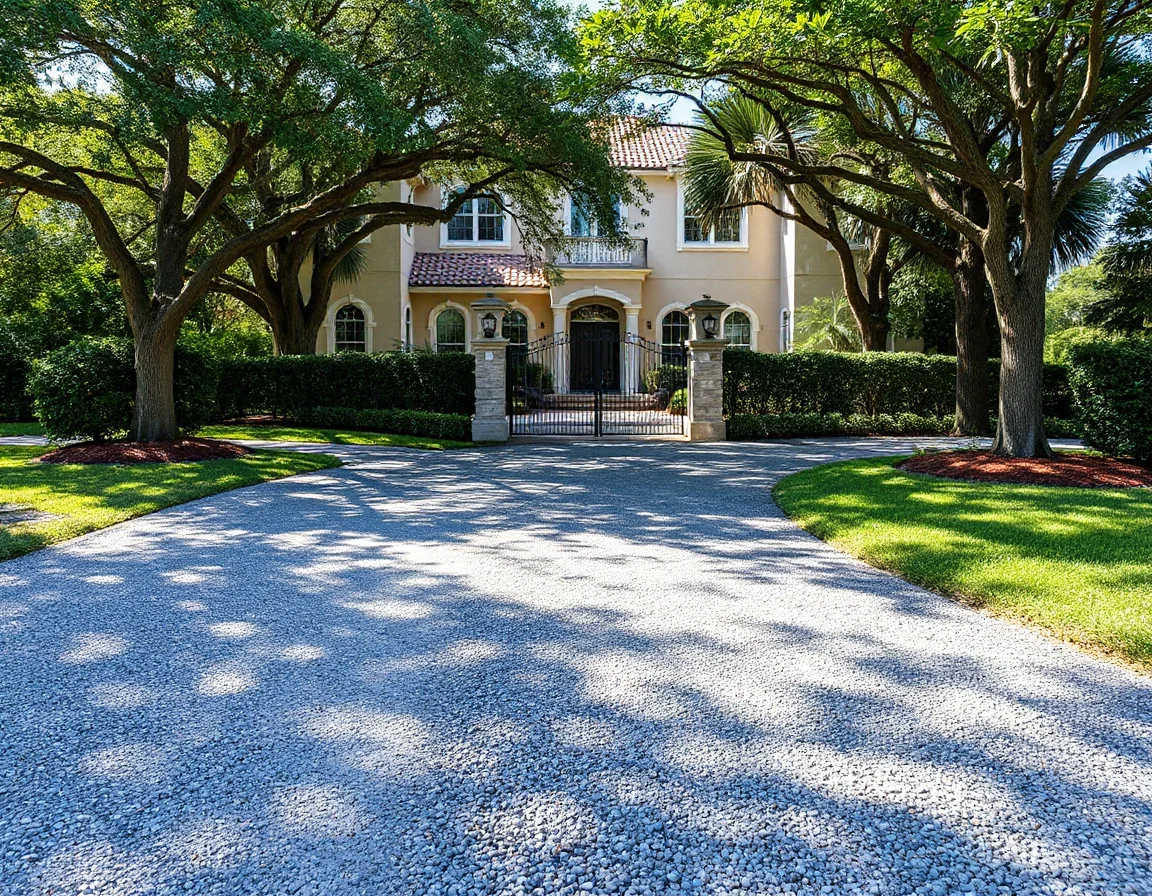
During a showing, pay attention to practical clues. Are there low spots near exterior doors? Does the driveway appear to slope toward or away from the garage? Are downspouts directed into appropriate drainage areas? Is there evidence of staining, patching, or moisture around baseboards, ceilings, garage walls, or exterior openings? None of these observations is a diagnosis, but each can help determine where to ask more questions.
It is also useful to understand the difference between homeowner’s insurance, windstorm coverage, and flood insurance. Policies can have separate deductibles, exclusions, underwriting standards, and documentation requirements. Request quotes early enough to compare options before contingency deadlines. If an insurer asks for a four-point inspection, wind mitigation report, roof certification, or other property documentation, schedule those steps promptly rather than treating insurance as a final closing-week task.
Ask for Records, Not Assumptions
Well-organized property records can make it easier to evaluate a home’s maintenance story. Ask for permits and invoices related to roof work, window and door replacement, electrical updates, drainage projects, seawall work where applicable, generator installation, and major repairs. Receipts for annual servicing of shutters, generators, sump equipment, or drainage systems can also be useful. Documentation helps distinguish between a feature that is present and a feature that has been maintained.
For homes with generators, ask whether the unit is portable or permanently installed, how it is connected, when it was last serviced, and whether permits were obtained for the installation. The same practical approach applies to pools, docks, boat lifts, solar systems, and exterior structures. Each feature may add enjoyment and utility, while also carrying maintenance, inspection, and insurance considerations that deserve a clear review.
A thorough inspection period is the time to bring in the right specialists when needed. A general home inspector may recommend a roofer, plumber, electrician, structural engineer, HVAC contractor, pest professional, or drainage specialist for a closer look. Buyers should not feel pressured to interpret technical findings alone. Clear written estimates and professional opinions can support informed negotiations, repair requests, or a decision to continue searching.
Balance Readiness With the Full Buying Decision
Hurricane-ready features are valuable, but they are only part of a thoughtful purchase decision. Buyers should still compare location, layout, condition, association rules, property taxes, utility costs, ongoing maintenance, and current market competition. A property with impact openings and a newer roof may be appealing, yet the full picture also includes insurance affordability, inspection findings, and the buyer’s comfort with future upkeep.
In competitive situations, preparation can make a meaningful difference. Before writing an offer, speak with a lender about financing requirements, consult an insurance professional about preliminary quotes, and review the likely inspection timeline with your real estate professional. This advance work can help you move decisively while preserving the due diligence steps needed to understand the property.
The strongest offer is not always the fastest one—it is often the one supported by realistic insurance research, a clear inspection plan, and an accurate understanding of the home’s condition.
South Florida offers a remarkable variety of homes, from coastal condominiums to established single-property residences and newer construction communities. Each has its own maintenance profile. By evaluating storm-related systems with the same care used for pricing and location, buyers can approach an offer with more confidence and a better framework for long-term ownership.
Whether you are beginning a search or narrowing down a specific property, a detailed review of hurricane readiness can turn a broad concern into a manageable checklist. Gather records, ask direct questions, use qualified inspectors, and allow enough time to understand insurance options. Those practical steps help ensure the home you choose is evaluated for both its everyday appeal and its readiness for South Florida’s seasonal conditions.